What is Pollution?
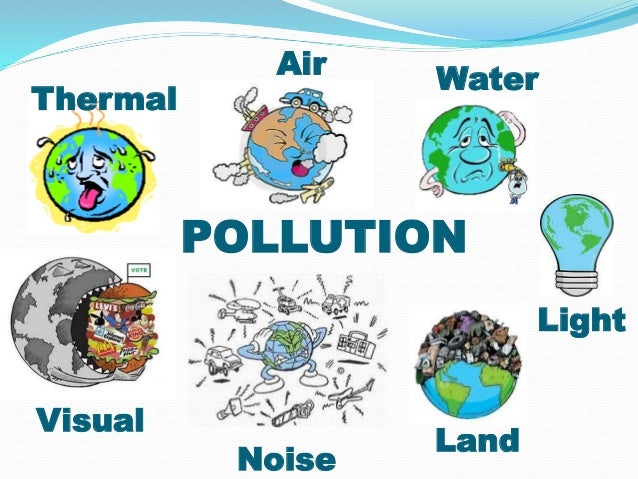
What is Pollution?
Pollution is the result of dangerous materials or energy entering the environment, which has an adverse effect on plants, animals, and the natural equilibrium of ecosystems. Natural occurrences like volcanic eruptions and wildfires, as well as human activity like industrialization and urbanization, can create this contamination. Pollution lowers biodiversity, endangers human health, and upsets the balance of the environment.
Main Types of Pollution
- Air Pollution
- Water Pollution
- Soil Pollution
- Noise Pollution
- Light Pollution
- Thermal Pollution
- Radioactive Pollution
Air Pollution
Air pollution is the contamination of the atmosphere with dangerous gasses, tiny particles and chemicals. Common sources include fossil fuel combustion, industrial processes, and vehicles. Particulate matter, sulfur dioxide, nitrogen oxides, carbon monoxide and other air pollutants have adverse effects on human health and contribute to global issues such as climate change.
They are caused by chemical sprays, by burning coal and oil, by smoke from industry and by vehicle exhaust.
Health impacts include lung cancer, asthma and respiratory illness. Environmental impacts include acid rain and the greenhouse effect.
Learn more about how air pollution and global warming are linked and what that means.
Water Pollution
Water pollution is when harmful chemicals and waste enter bodies of water such as rivers, lakes, and oceans. Water pollution comes from industrial discharges, agricultural chemicals, sewage and oil spills. This degrades water quality and threatens both aquatic life and human health.
Causes - discharge of industrial effluents, dumping of wastes, agricultural runoff (pesticides/fertilizers), discharge of sewage.
Effects Water-borne diseases (dysentery, cholera), damage to aquatic ecosystems and loss of biodiversity.
Find out about water pollution and what can be done to improve the quality of water.
Pollution of Soil
Soil pollution is the accumulation of toxic chemicals, pesticides or heavy metals in the earth, which leads to less fertile and possibly dangerous soil. It is often the result of improper disposal of waste, use of chemical fertilizers and industrial spills. Soil pollution can cause contamination of crops and health hazards.Causes: Excessive use of fertilizers and pesticides. Industrial dumping. Oil leaks. Mining waste.
Effects: Decrease of soil organisms, erosion, danger to food safety, reduced crop productivity.
Read more about effects of mineral oil soil pollution and its dangers for agriculture.
Noise Pollution
Noise pollution is an unwanted sound that interferes with the lives of humans and animals. The main culprits are car horns, loudspeakers, building sites and factory machinery. High noise levels can cause not only hearing loss but also sleep disturbances, leading to stress and heart problems.Causes: Heavy equipment, construction, loud music, appliances, traffic.
Effects: hearing loss, anxiety, cardiovascular diseases, and decreased work efficiency.
Find out the unique role of the green muffler technique in reducing noise pollution in cities.Light Pollution: Too much artificial light messes with animal behavior and human sleep cycles.